A great device package feels like a quiet assurance. It claims you can take care of the wobbly chair, hang the kitchen area shelves straight the first time, and craft the coffee table you can not afford to purchase. Most people begin with a plastic tote and an assortment of mismatched equipment. That's great, but if you desire a kit that grows with you, you require objective. The right mix of hand tools for DIY jobs, a couple of power devices for home renovation, and a straightforward method to shop and maintain them can bring you from easy do it yourself home tasks to a lot more major do it yourself furnishings tasks and even advanced woodworking techniques.
I've built and restored my kit over 15 years. Some devices were deals that punched above their weight. Others were costly lessons. What complies with is not a wish list. It's a judgment call on what absolutely matters, what can wait, and just how to develop DIY device packages that match the work you wish to do, whether that's do it yourself repair work and upkeep or tools for crafting furniture.
Start with your projects, not the tool catalog
When individuals ask exactly how to start woodworking, I ask what they want to make in the following six months. A cedar planter box, a bookshelf, and some do it yourself design concepts for the living room ask for a different set than installing a door or building a shed. Choose 3 concrete tasks. They anchor your choices. You'll squander less money, miss stylish devices, and get tools that earn their keep.
Think in categories. If your objectives lean to do it yourself woodworking tasks and do it yourself furniture tasks, focus on determining, cutting, and signing up with devices. If you're focused on DIY home renovation ideas and very easy DIY home projects, placed more weight on fastening, drilling, and layout tools. The best devices for woodworking overlap with important tools for carpentry, however the tolerances and finish standards change. Good devices are generalists. Great sets are intentional.
The foundation: hand devices you'll utilize every week
If I had to restore from absolutely no with a moderate budget plan, I 'd start with hand devices. They show control, they're quiet, and they don't throw dust anywhere. They additionally fail with dignity. A dull chisel hurts your pride before it injures your lumber budget.
A measuring tape that does not wobble, a reliable square, and a pencil you really such as utilizing kind your design core. Add a little mix square for limited job, specifically on joinery. Skimp right here and you'll invest hours dealing with "secret" gaps that are actually dimension errors.
For cutting, a Japanese pull saw with a crosscut and hole side covers an unusual quantity of ground. It tracks directly, wastes less timber, and gives clean edges that sand rapidly. A decent set of blades, also mid-range, unlocks joinery, hinge mortises, and clean-ups after the saw. Develop them. If your chisels are plain, you're just carving your routine, not wood.
Fastening ask for a 16-ounce hammer with a smooth face and a comfortable take care of. Nails still defeat screws for some tasks, and a correct hammer gets curved bolts without pain. A manual screwdriver set with a handful of sizes stops removed heads and awful outcomes. I maintain a ratcheting motorist guaranteed for speed, yet the taken care of vehicle drivers offer far better feel.
Clamping is not optional. Two medium F-style clamps and 2 larger ones will certainly handle most beginner woodworking jobs. If you believe four clamps suffice, you'll quickly meet a glue-up that needs 6. And you'll wish you had actually them.
The woodworking hand tools overview in my head constantly consists of a block airplane. It appears old-fashioned. It's one of the most made use of device I own for breaking edges, night pleased joints, and slipping up on a fit. Get one that changes efficiently, then spend a night fettling and developing. You'll listen to the difference when it cuts.
Power tools that increase your time
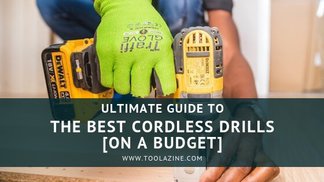
Resist the alarm song of acquiring everything simultaneously. A few clever power tools for home improvement bring enormous weight. A cordless drill and impact motorist, purchased as a set so they share batteries, are the workhorses. The drill takes care of holes. The influence driver sinks screws without cam-out and saves your wrists. I prefer two 2.0 to 4.0 Ah batteries over a solitary big one, so I can hot-swap.
A round saw is the initial cutting device I suggest for sheet items and rough dimensioning. Paired with a straightedge, it acts like a spending plan track saw. With method, you can bring plywood down to size safely and accurately. Add a few premium blades, one for ripping building lumber and one fine-tooth blade for furnishings panels.
An arbitrary orbital sander with effective dirt collection changes your resistance for sanding from dread to workable. Fit it with a store vac when possible. Your lungs will certainly thanks, and your finish will boost because dirt will not hang in the air and kick back onto your work. If there's one place the "cost effective devices for DIY" attitude can backfire, it's an affordable sander that vibrates your fingers numb and leaves swirl marks. Spend a bit extra here.
The jigsaw is controversial. Some speak highly of it, others avoid it. I locate it indispensable for rounded cuts, notches, and chores, specifically on site. Secure your job well, make use of sharp blades, and do not hurry the cut. For kitchen area tasks or trim work where tidy sides issue, it's a lifesaver.
With these four power tools, a lot of do it yourself home renovation and woodworking for home enhancement tasks are available: shelves, energy cupboards, storage room coordinators, planter boxes, and repairs.
Where to spend lavishly and where to save
I have actually tried the bargain bin and the exceptional aisle. Both have a place. The technique is understanding what "low-cost" truly sets you back. Tools that touch the coating surface area, reduced the joinery, or impact precision deserve much more. That means squares, blades, drill bits, chisels, and planes are entitled to far better dollars. Tools that give strength or utilize, like clamps and hammers, can be mid-tier without harming quality.
Cordless ecosystems can catch you. Prior to you buy a second or third device in the very same brand name, ask yourself what you'll require two years out. If you see a miter saw on your horizon, choose an ecosystem with the power and battery breadth to manage it. If your future appears like do it yourself crafts and concepts with periodic home fixings, a lighter-duty system conserves cash and weight.
Buying made use of is a wise course for specialist woodworking devices that hold value and tune up well. I have a 1970s block aircraft that, with a new iron, exceeds modern spending plan offerings. Garage sale and estate public auctions occasionally yield older chisels, hand saws, and dental braces. Check for fractures, rust that gets to the edges, and missing out on components. Woodworking tools and equipment with strong bones are much better than shiny plastic.
Accuracy is a tool
You can't cut straight if you note misaligned. I have actually seen much more job distress from design mistakes than plain blades. Obtain a great noting knife. It provides an exact line that a sculpt or saw can sit versus, especially helpful when fitting hinges or tenons. A facility strike and an awl assistance screws begin where you desire them, not where the grain decides they need to go.
Your square should be square. Evaluate it by flipping versus a straight side. If the lines deviate, return it. The same logic puts on degrees. A 24-inch level is the sweet area for racks and structures, and a torpedo level fits pockets and ladder job. Count on however validate. I prefer to capture a 1-degree mistake unemployed than live with it on the wall.
Safe routines scale faster than tool collections
Most injuries I've seen came from rushing, boring edges, and bad workholding. Sharp tools are more secure, full stop. A sharpening overview and an inexpensive set of ruby plates or wet stones provide predictable results. Discover to sharpen until you can cut hair off your forearm with a sculpt. It's crude, however it corresponds. Sandpaper adhered to glass can squash plane soles and backs without expensive gear.
Hearing defense throughout long term power device usage is not optional. Ringing in the ears is an irreversible memento you do not want. For dust, a fundamental respirator with P100 filters sets you back less than 2 takeout lunches and makes sanding or reducing MDF much less grim. When it comes to eyes, put on shatterproof glass despite having hand devices. I have actually had chips bounce off my lenses throughout a hasty chisel job.
Building your package in stages
Overbuilding a set early slows understanding. When you include tools slowly, each purchase addresses a real problem and earns its location. Here's a straightforward progression that has helped most of my students.
First, set up a core: measuring tape, combination square, pencils, utility blade, hammer, screwdrivers, blades, pull saw, block airplane, 4 clamps, drill and influence motorist with little bits, arbitrary orbital sander, PPE, and a tiny store vac. With this, you can deal with basic shelving, photo frames, and do it yourself repair services and maintenance like loose cupboard doors or deck boards.
Second, add a circular saw with overview, more clamps, much better sandpaper, and a larger level. Currently you can break down plywood, build a cabinet, and assemble storage devices with tidy edges. Your confidence will certainly grow fast.
Third, upgrade joinery options. A pocket-hole jig is a practical bridge for numerous newbie woodworking projects. It's not fine furnishings, however it's solid sufficient for shop cabinets and utility furnishings. If you're ready for standard approaches, add a router with a few carbide bits for dados, rabbets, and round-overs. The router, with a straightedge, is an exact joinery factory in a small package.
Fourth, choose a very first stationary device based on your project path. If you build furnishings panels and cupboards, a table saw comes to be the heart of the shop. If you form sides and contours or craft tiny items, a bandsaw might provide more worth earlier. Room and dirt control matter. I worked for years with a round saw, a router, and a collection of hand airplanes before I bought a table saw, and I do not be sorry for it.
Furniture develops without a complete shop
People think tools for crafting furnishings need a lot of money. Not true, yet they do need perseverance and precision. A coffee table out of hardwood and plywood can be developed with the hand device and power device mix above. Mill borders directly with a straightedge and circular saw, then tidy up with a hand aircraft. Utilize the router for dados that hold racks or aprons, and depend on clamps for alignment during glue-up. Sand in phases, 120 to 180 to 220 grit, and do not miss grits unless you like visible scrapes under finish.
When I educate beginner courses, I frequently start with a bench-height feces or side table. The joinery is straightforward, the parts are manageable, and the outcome enters your daily life. It's a best phase for woodworking tips and techniques: pre-drilling to avoid splits, utilizing a caul to maintain glue-ups level, and noting get rid of painter's tape to stay clear of confusion during assembly. These jobs lead normally right into even more innovative woodworking concepts like wall-mounted racks with hidden brackets or laminated cutting boards with contrasting woods.
The case permanently blades and bits
You can limp along with an average tool body if you update the reducing edge. A top quality 40-tooth carbide blade on a circular saw changes plywood cuts from ragged to decent. Sharp brad-point bits make clean holes for dowels and equipment. A countersink that matches your screw heads raises also modest ache into something that looks intentional.
Many "leading woodworking tools" checklists hide this factor, but it's even more impactful than changing brand names. Keep a small box identified "sharp" and replenish prior to you go out. Boring consumables lure you to push more challenging, which causes tearout, burning, and errors that steal hours.
Workshop facts in small spaces
A corner of a garage can be a great workshop if you regard flow. Damage down sheet goods outside when feasible, then bring subassemblies to the bench. A foldable workbench or a pair of strong sawhorses with a sacrificial top handles most operations. Mount a power strip or more at shoulder height so cords don't tangle underfoot.
Dust and sound lug. Next-door neighbors endure brief ruptureds better than endless grinding. Set noisy cuts, sand with the vac attached, and routine loud work previously in the evening. If you're looking for woodworking workshops near me to load ability gaps, seek area makerspaces. They offer access to bigger woodworking tools and equipment like jointers and planers, and you can learn safe method under supervision prior to you determine to invest.
The peaceful power of jigs and fixtures
A good jig is a multiplier. A straightedge overview transforms your circular saw into a track saw. A shooting board with your block airplane fine-tunes miters to medical precision. A straightforward crosscut sled on a table saw, when you at some point get one, boosts safety and repeatability.
Store-bought jigs address issues promptly, but a jig you develop shows you the trouble. When making twenty identical drawer components, a stop block and 2 clamps deserve greater than an additional expensive tool. This is where sophisticated woodworking techniques start, not with unique joinery, yet with predictable repeatability.
The two-tool method for limited budgets
If your spending plan is tight and you still want outcomes that look brightened, lean on two devices: a sharp hand plane and a router. The airplane manages side joints, minor thickness changes, and damaging sharp sides with a human touch no sander can match. The router, with a straight bit, a flush trim little bit, and a round-over bit, covers joinery, pattern work, and finish information. Include persistence and mindful format, and you can generate job that really feels calculated and professional.
I developed a walnut media console with bit greater than these two tools, a drill, and a circular saw. The trick wasn't heroics. It was utilizing a plywood template with the router's flush trim bit and test-fitting parts completely dry before devoting to glue.
When to jump to bigger machines
There's a point where volume and complexity make fixed tools the right call. If you're constructing a kitchen's worth of cupboards, a table saw with a reliable fence spends for itself direct and rate. If you're resawing thick lumber into thin panels, the bandsaw steps forward. For dead-flat tabletops and tight side joints, a jointer and planer pair are tough to defeat. Till after that, a straightedge and hand plane combo, plus cautious selection https://penzu.com/p/11249927dffc609b of lumber, maintains you in the game.
The compromise is room and dirt. Planers are loud and messy. If your home store is shared area, consider a benchtop planer only when your tasks demand it. Borrow store time at a community work space before buying. Try the makers, after that choose what fits your job and your home.
Step-by-step approach for your first serious build
- Choose a task that extends you somewhat, like a wood coffee table with a rack. Document finished dimensions and materials. Draft a straightforward cut checklist. Break sheet items into manageable panels. Mark grain direction and show face sides and edges. Mock up joints with scrap. Cut a test dado, pierce a test pocket hole, or path a rabbet. Change setups till the fit is tight yet not forced. Dry fit the complete setting up. Use secures to imitate glue stress. Look for square with your mix square and angled measurements. Glue with a timer in mind. Set out clamps, cauls, and clean-up dustcloths. Spread adhesive thin and even, use securing pressure gradually, and reconsider for square after five minutes.
Keep the speed tranquility. Hurrying a glue-up makes fools of cautious measurements. If you can't assemble within the open time of your adhesive, break the construct right into subassemblies.
Mistakes that silently destroy projects
Splinters at the departure side of a cut. Resolve this with painter's tape and a sacrificial backer. Sawing on the waste side of the line, then sanding to the line, conserves a great deal of distress. Overdriving screws is one more. Usage clutch settings on your motorist and surface by hand to feel the seat of the screw.
Finishing is where lots of new builders stumble. Do not blend spots and surfaces blindly. Examination on offcuts. If you can not regulate dust, select a wipe-on finish that dries out quickly and constructs gradually. 3 to 5 thin layers defeated one thick, gummy mess. Sand lightly with 320 or a gray pad between layers. Perseverance makes coatings look expensive.
Smart investing for budget friendly do it yourself solutions
Nothing burns a spending plan like re-buying poorly selected tools. Shop the made use of market for hand airplanes, chisels, and clamps. Spend complete cost on drill little bits, sandpaper, and safety and security gear. Consider store brands for clamps and sawhorses, but stay with respectable brand names for rotating makers and anything with a blade near your fingers.
Bundle acquisitions to make use of battery deals. Usually, two-tool sets with 2 batteries and a charger price much less than acquiring tools piecemeal. Avoid one-off battery chargers and orphaned batteries. If you're lured by a specialized device, ask how many jobs it will genuinely touch. If the response is "one," pass.
The quiet upgrades that alter everything
Two upgrades changed my very early work. First, far better illumination. A brilliant, high-CRI LED fixture over the bench revealed tearout and adhesive squeeze-out before coating, not after. Second, an appropriate bench surface area. A flat, hefty top with pet dog holes and a face vise resembles including an added pair of hands. Even a straightforward torsion box table with a number of holdfasts improves accuracy and safety.
I would certainly include another: a basic shooting board and a sharp airplane iron. When a miter refuses to close, two passes on the capturing board fix it. That sort of regulated tweaking divides amateur from polished maker.
Learning loopholes and where to obtain help
Books and videos are plentiful, but hands-on comments is better. Look for woodworking workshops near me and visit two or 3. Take notice of tidiness, trainer interest, and the state of shared tools. A great class accelerates your understanding of grain instructions, feed price, and safe position at devices. It also presents you to various other home builders that can share ideal woodworking strategies and real pointers on materials and suppliers.
Online, search for neighborhoods that critique work kindly and specifically. Blog post process photos, not simply finished beauty shots. You discover more from a misaligned apron than from a remarkable table top. Conserve your offcuts for examinations. They level concerning tarnish, glue, and tearout on the specific material you're using.
A straightforward kit for real work
A perfect starter set isn't best. It develops. Here's a succinct baseline that has actually gained its place in plenty of garages and spare rooms.
- Layout: 25-foot tape, mix square, noting knife, pencils, tiny level. Cutting and shaping: pull saw, block airplane, sculpt established, arbitrary orbital sander with dirt hookup, circular saw with straightedge. Drilling and attachment: cordless drill, effect chauffeur, high quality little bits, countersink, hammer, screwdrivers. Workholding and safety: 4 to eight clamps in two dimensions, sawhorses or a foldable bench, shatterproof glass, listening to defense, respirator. Extras that punch over weight: router with 3 little bits, pocket-hole jig, shop vac, shooting board.
With that, you can implement detailed do it yourself guides for racks, tables, planters, and standard cabinetry. You'll acquire the feeling for timber fiber, the noise of a sharp blade, and the rhythm of cut, examination, fit, and coating. As your ambition expands, you'll recognize exactly which top woodworking tools to add and which expert woodworking tools are worth the space and cost.
And when a next-door neighbor requests help with a stuck door or a sagging rack, you'll have the kit and the self-confidence to repair it right. That's the silent incentive of a strong tool set: it broadens your sense of what's feasible at home, one exact cut at a time.